


How do I know if I’m eligible for flexible dentures?
Understanding Dentures: An Overview
Dentures have come a long way from their earlier versions. Today, they offer an effective, natural-looking solution to missing teeth, aiding not just in aesthetics but also in functionality. Dentures come in many types, including standard acrylic, high-impact acrylic, chrome, flexible (Valplast), injection moulded, and even 3D printed options.
While standard acrylic dentures typically last 1–3 years, high-impact acrylic and flexible dentures can serve you for 3–5 years. Chrome dentures, on the other hand, have the longest lifespan, lasting 8–12 years with proper care. Each type has its own strengths and considerations, so it’s essential to discuss your options with a professional.
What are Flexible Dentures?
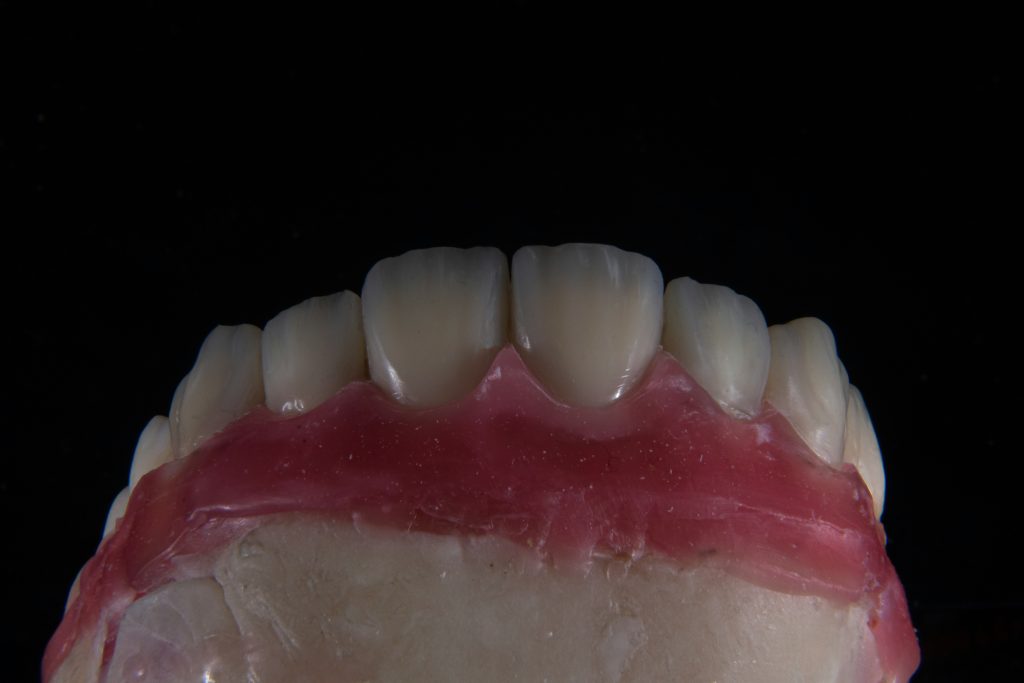
Flexible dentures, often made from a material called Valplast, offer a comfortable and durable solution for many patients. Unlike their rigid counterparts, flexible dentures flex with the natural movement of your mouth, providing a snug, comfortable fit.
Key features of Flexible Dentures:
- Comfort: Because they’re designed to flex with your mouth’s natural movements, most people find flexible dentures more comfortable than traditional ones.
- Durability: Flexible dentures typically last between 3–5 years, similar to high-impact acrylic dentures.
- Aesthetics: These dentures have a translucent base, which allows the natural gum colour to show through.
Am I Eligible for Flexible Dentures?
So, how do you know if you’re a suitable candidate for flexible dentures?
Firstly, your eligibility largely depends on your dental health. If you’re missing one or more teeth but still have remaining healthy teeth, you may be a good candidate for partial dentures. It’s important to note that partial dentures must be prescribed by a dentist.
For those with no remaining teeth, full dentures would be the suitable option. These can be fitted by Clinical Dental Technicians.
Secondly, your lifestyle and personal preferences also play a role. If comfort and a natural look are your top priorities, flexible dentures might be a good choice. That said, it’s crucial to have a detailed discussion with your dental professional who can guide you based on your oral health and individual needs.
Consultation and Examination
Before any denture fitting, your dental professional will perform a thorough examination of your oral health. This might involve x-rays and an inspection of your gums and remaining teeth.
This process helps determine whether you’re a suitable candidate for dentures and, if so, which type would be best for you.
Cost and Care of Flexible Dentures
The cost of dentures can vary greatly, depending on the treatment type and provider. For a clearer understanding of the potential costs, please refer to our dedicated page: How Much Do Dentures Cost in the UK?
When it comes to care, just like your natural teeth, dentures need regular cleaning to stay in top condition. Additionally, relines and adjustments are common and part of regular denture care. For more information on maintaining your dentures, check out our guide: Everything You Need to Know About Dentures.
Conclusion
Determining your eligibility for flexible dentures involves a thorough examination of your oral health, lifestyle, and personal preferences. A consultation with a dental professional is the best way to ascertain the most suitable denture type for you.
Flexible dentures can offer a comfortable, natural-looking solution for many, but like any dental solution, they come with their own considerations, costs, and care routines. So, take the time to explore your options and make an informed decision for your oral health.
Remember, a healthy, confident smile is always in style, and the right dentures can help you achieve just that!
For further information about dental health and dentures, you can visit trusted dental sources such as the NHS or the General Dental Council.